

Cyber Fraud and Financial Scams: What Every IT Student, Professional, and Business Must Know
In today’s hyper-connected world, cyber fraud and financial scams have become some of the fastest-growing threats in India and across the globe. With digital payments rising, remote work becoming commonplace, and AI tools becoming more accessible—even to scammers—Cybersecurity is no longer just a buzzword. It is a lifeline for students starting their IT careers, professionals aiming to stay relevant, and businesses protecting their financial stability. Whether you’re planning your future with Career Guidance in IT, running a business, or simply trying to stay safe online, this article will give you IT Insite into how cyber fraud works, why it’s growing, and most importantly—how you can safeguard yourself today.
Why Cyber Fraud Is Surging
Cyber fraud isn’t new, but its scale, sophistication, and speed have changed dramatically. High-value frauds in India have multiplied several times over recent years. Scammers now use AI tools to clone voices, mimic handwriting, create deepfake videos, and craft highly convincing phishing messages.
A few factors explain the explosion:
- Increased Digital Payments
UPI, net banking, and online wallets have made transactions frictionless—but they’ve also expanded the attack surface.
- Social Engineering Mastery
Scammers no longer rely on generic emails. They study social media profiles, job histories, and even family details to personalize attacks.
- AI-Powered Fraud Techniques
Identity spoofing and impersonation are now easier than ever. Deepfake voices, realistic fake invoices, and automated phishing tools are widely available online.
- Weak Cyber Hygiene
Many users still use simple passwords, reuse credentials, or click on suspicious links because of curiosity or urgency created by attackers.
- Growing Reliance on Third-Party Vendors
Businesses increasingly depend on external platforms for payments, cloud storage, and IT services. Weak vendor security means weak organizational security.
Types of Cyber Fraud You Should Know
Let’s break down the scams most commonly affecting Indians today—whether you’re a student, an IT professional, or part of a growing business.
- Phishing and Smishing
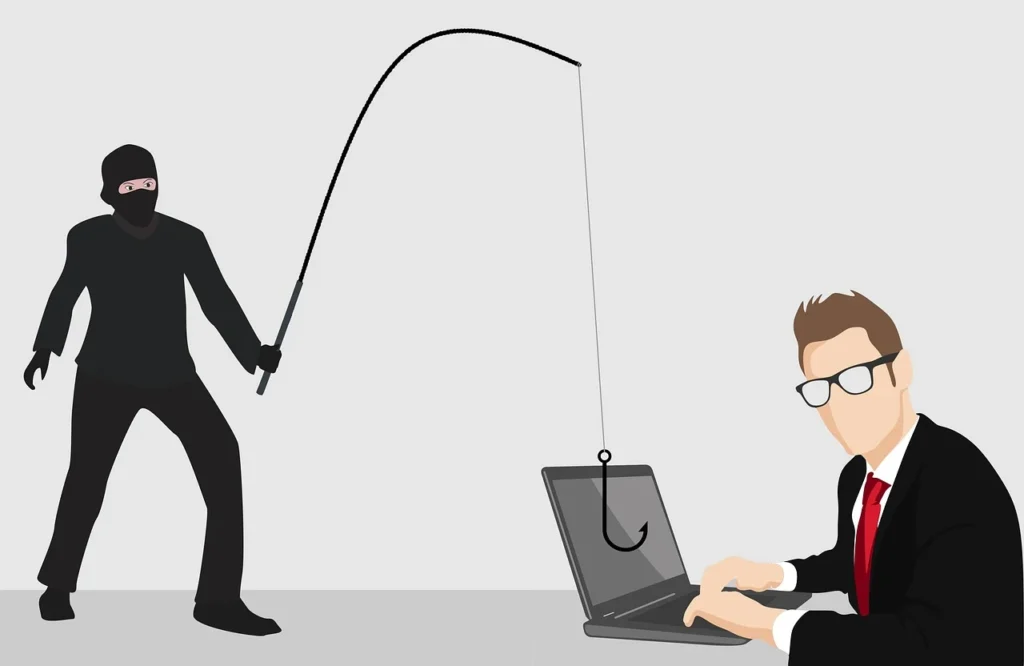
Emails or SMS messages that pretend to be from trusted institutions.
Example: “Your bank account will be blocked in 24 hours. Click here to verify.”
- UPI Fraud
Scammers send a “collect request” or ask victims to scan a QR code to receive payment—tricking users into sending money instead.
- Investment and Trading Scams
Fake apps or Telegram groups promising quick returns in crypto, stocks, or gold.
- Job and Internship Scams (Huge risk for students)
Fake recruiters demand registration fees or ask for identity documents.
- Deepfake Impersonation
AI-generated videos or voice calls pretending to be your boss or colleague, usually to request urgent payments.
- Business Email Compromise (BEC)
Criminals spoof a vendor’s email and send fraudulent invoices to companies.
- SIM Swap Fraud
Attackers gain control of your mobile number to receive OTPs and reset account passwords.
A Short Personal Story: My Brush with a “Too Good to Be True” Job Offer
A few years ago, when I was mentoring IT students, one of them—let’s call him Rohan—called me sounding excited and nervous. He had received an internship offer from a well-known multinational company. The email looked perfect: logo, signature, professional language, and a polite request to “pay a refundable documentation fee of ₹4,500.”
But something felt off.
The wording in the email didn’t match the company’s usual communication style. And the domain name was slightly different—just a missing hyphen.
We checked together, and sure enough, it was a scam. Rohan’s excitement had nearly cost him money—and worse, personal information.
That incident opened his eyes to the importance of Cybersecurity, and he now works in a Cybersecurity role himself. A scam almost tricked him, but it also shaped his career path—an unexpected but powerful example of how Cybersecurity awareness can protect both money and future opportunities.
Real-World Examples of Modern Scams
Example 1: Fake Payment Gateways
Small businesses are targeted with fraudulent “payment gateway verification requests.” Clicking the link leads to data theft and unauthorized UPI pulls.
Example 2: Deepfake CEO Fraud
Several Indian companies have reported receiving voice calls cloned using AI—where scammers imitate a CEO requesting urgent fund transfers.
Example 3: OTP or KYC Renewal Scam
Attackers pose as bank representatives claiming KYC needs renewal—forcing victims to share OTPs unknowingly.
Top 10 Practical Tips to Protect Yourself Today
These tips are simple but powerful. Anyone—whether a beginner in IT, a seasoned professional, or a business owner—can follow them.
- Enable Multi-Factor Authentication (MFA)
This single step blocks 90% of unauthorized access attempts.
- Verify Before You Click
Hover over links. Check sender IDs. Call official helplines instead of responding immediately.
- Never Share OTPs or PINs
No bank, fintech app, or legitimate company will ever ask for them.
- Use Strong, Unique Passwords
Avoid birthdays, names, or patterns like “1234.”
Use a password manager—your digital vault.
- Update Software Regularly
Outdated apps and systems are open doors for attackers.
- Double-Check Payment Requests
Especially in business environments—verify through a secondary channel such as a call or Slack message.
- Be Cautious on Public Wi-Fi
Avoid making payments or logging into sensitive accounts on open networks.
- Limit What You Share Online
Scammers use your social media details to personalize attacks.
- Monitor Bank Statements Frequently
Small, unnoticed transactions often precede bigger frauds.
- Educate Your Team or Family
Cybersecurity is a shared responsibility—one weak link puts everyone at risk.
Cybersecurity for IT Students: Career Guidance and Learning Path
Students who understand Cybersecurity today are in one of the fastest-growing IT career fields. Here’s how you can use this knowledge professionally:
- Learn basics: networking, operating systems, Linux.
- Explore ethical hacking, digital forensics, cloud security.
- Take certifications like CEH, CompTIA Security+, or Google Cybersecurity.
- Work on real projects: threat detection, SIEM tools, malware analysis.
Cybersecurity is a field where curiosity and consistent practice matter more than anything else. With the right Career Guidance, students can turn today’s digital risks into tomorrow’s career opportunities.
Cybersecurity for Businesses: Minimum Safeguards You Must Implement
If you run or manage a business, securing financial transactions must be a priority. Start with:
- Conducting quarterly Cybersecurity audits.
- Training employees on phishing prevention.
- Using verified payment gateways.
- Implementing vendor security checks.
- Maintaining backups to reduce ransomware impact.
A small investment in Cybersecurity saves millions in the long run—not to mention your brand reputation.
Conclusion: Stay Alert, Stay Secure
Cyber fraud and financial scams are rising fast—but so are awareness and solutions. Cybersecurity isn’t just for IT experts anymore; it’s for everyone who uses a smartphone, runs a business, or dreams of an IT career.
You don’t need to overhaul your digital life today—just start with small, effective steps.
Before you close this article on IT Insite, commit to trying at least the top five safety tips today:
- Enable MFA
- Change weak passwords
- Think before clicking links
- Update your apps
- Educate someone around you
A safer digital life starts with one small action. Take that step today—your data, your money, and your future self will thank you.


