

Introduction
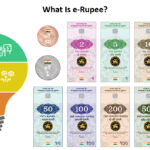
The future of the e-Rupee in India marks a groundbreaking shift in the nation’s financial ecosystem. Introduced by the Reserve Bank of India (RBI) as a Central Bank Digital Currency (CBDC), the e-Rupee combines the trust and stability of fiat currency with the speed and innovation of digital technology.
As India continues to move toward becoming a cashless economy, the e-Rupee is expected to redefine how citizens, businesses, and government institutions handle money — from daily transactions to large-scale cross-border trade.
The Vision Behind the e-Rupee
The RBI’s vision for the e-Rupee is not just to digitize cash but to build a future-ready financial system. The digital rupee aims to:
- Promote financial inclusion across rural and urban India.
- Ensure secure, transparent, and efficient transactions.
- Reduce the country’s dependency on physical currency.
- Strengthen India’s role in the global digital economy.
This vision aligns closely with the Digital India initiative, encouraging innovation, reducing corruption, and empowering citizens through digital financial tools.
How the e-Rupee Will Transform Digital Payments
The e-Rupee is designed to blend the reliability of traditional money with the efficiency of blockchain-inspired technology. Here’s how it’s expected to transform the digital payment landscape:
- Faster and Seamless Transactions
The digital rupee will enable instant fund transfers without the need for intermediaries. Whether you’re paying for groceries, settling a bill, or conducting large-scale B2B payments, transactions will be instantaneous and highly secure.
- Enhanced Financial Inclusion
With its ability to function online and offline, the e-Rupee can reach even the remotest regions of India. This will allow millions of people without access to traditional banking to participate in the digital economy, driving inclusive growth.
- Reduced Transaction Costs
The elimination of intermediaries and cash-handling expenses will significantly lower transaction costs for businesses and consumers. This is a major advantage for small enterprises and startups that rely on affordable payment systems.
- Cross-Border Payment Efficiency
The e-Rupee could revolutionize cross-border transactions by offering faster settlements and reducing dependence on foreign intermediaries. It can make remittances cheaper, quicker, and more transparent, boosting India’s position in global trade.
- Greater Transparency and Security
Every e-Rupee transaction is recorded on a secure digital ledger, reducing the chances of fraud, counterfeit currency, or tax evasion. It will bring more transparency to financial systems, benefiting both individuals and institutions.
Economic and Technological Impact
The introduction of the e-Rupee will not only transform financial transactions but also reshape India’s economy in several ways:
- Encouraging innovation: Fintech companies will develop new solutions compatible with CBDC-based payments.
- Reducing black money circulation: Digital records will make unaccounted transactions harder to hide.
- Boosting government efficiency: Subsidies, welfare payments, and tax collections will become faster and more transparent.
- Supporting sustainability: The shift from paper to digital currency will reduce the environmental cost of printing and transporting cash.
Challenges and Opportunities Ahead
While the future of the e-Rupee looks promising, some challenges remain:
- Ensuring data privacy and cybersecurity in digital transactions.
- Promoting user awareness and digital literacy among rural populations.
- Building robust technological infrastructure to handle high transaction volumes.
However, these challenges also present opportunities for India to innovate, secure, and lead in the global digital currency revolution.
The Future Outlook: A Digital Economy Powered by the e-Rupee
In the coming years, the e-Rupee is expected to become a core component of India’s financial architecture. Its integration with existing payment platforms such as UPI, Paytm, and internet banking could create a unified and powerful digital payment ecosystem.
As adoption grows, India could emerge as a global leader in digital currency implementation, inspiring other developing nations to follow its model.
The future of the e-Rupee is not just about convenience — it represents trust, inclusivity, innovation, and financial empowerment for over a billion people.
Conclusion
The e-Rupee is more than a digital version of the Indian Rupee — it’s a symbol of India’s digital progress. By combining blockchain-inspired efficiency with centralized stability, it paves the way for a more connected, transparent, and inclusive financial future.
As India continues to adopt the e-Rupee, it is poised to become a global benchmark for digital currency success — transforming the way money moves, businesses operate, and citizens engage with the economy.
Keep stay with itinsite.in