


In the digital era, cloud computing has become a cornerstone for businesses seeking scalability, cost efficiency, and operational agility. From IaaS to PaaS and SaaS, organizations are adopting cloud solutions to streamline operations. Understanding cloud migration and prioritizing cloud security is essential to unlock the full potential of the cloud.
What is Cloud Computing?
Cloud computing is the delivery of computing services—including servers, storage, databases, networking, software, and analytics—over the internet. By leveraging cloud solutions, businesses can:
- Reduce infrastructure costs
- Scale resources on demand
- Access applications from anywhere
The cloud is the backbone of modern IT, enabling businesses to innovate faster while maintaining operational flexibility.
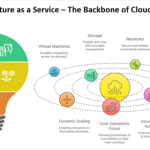
IaaS: Infrastructure as a Service
IaaS (Infrastructure as a Service) provides virtualized infrastructure over the internet. Companies can rent servers, storage, and networking components instead of investing in on-premises hardware.
Benefits of IaaS include:
- Cost-effective infrastructure management
- High scalability for growing workloads
- Simplified disaster recovery
Top IaaS providers include Amazon Web Services (AWS), Microsoft Azure, and Google Cloud Platform.
PaaS: Platform as a Service
PaaS (Platform as a Service) offers a complete platform for building, testing, and deploying applications without managing underlying infrastructure. Developers can focus on coding while the provider handles servers, storage, and networking.
Advantages of PaaS:
- Accelerated application development
- Integrated development tools
- Simplified maintenance and updates
Popular PaaS providers include Heroku, Google App Engine, and Microsoft Azure App Service.
SaaS: Software as a Service
SaaS (Software as a Service) delivers fully functional software applications over the internet. Users can access these applications from any device with minimal setup.
Benefits of SaaS include:
- Accessibility from anywhere
- Automatic software updates
- Reduced upfront costs
Examples of SaaS solutions include Salesforce, Google Workspace, and Zoom.
Cloud Migration: Moving Your Business to the Cloud
Cloud migration is the process of transferring data, applications, and workloads from on-premises systems to cloud infrastructure. Successful migration requires careful planning and the right cloud model—IaaS, PaaS, or SaaS.
Key steps for cloud migration:
- Assess current IT infrastructure
- Choose the appropriate cloud service model
- Plan data transfer and integration
- Test and validate applications post-migration
Proper cloud migration ensures minimal downtime, improved performance, and cost efficiency.
Cloud Security: Protecting Your Cloud Environment
As organizations adopt cloud solutions, cloud security becomes critical. Protecting sensitive data and applications requires encryption, access controls, and continuous monitoring.
Best practices for cloud security:
- Encrypt data in transit and at rest
- Implement multi-factor authentication (MFA)
- Conduct regular audits and compliance checks
- Monitor for potential threats and vulnerabilities
Strong cloud security measures safeguard data while maintaining compliance with industry standards.
Conclusion
Adopting cloud computing through IaaS, PaaS, and SaaS enables businesses to scale efficiently, innovate faster, and reduce costs. Careful planning of cloud migration and prioritizing cloud security ensures a seamless transition and protects digital assets.
The cloud is not just a technology choice—it’s a strategic advantage for forward-thinking businesses.
🌐Cloud Computing Trends to Watch: October 2025 Update
🛡️ Cybersecurity Mesh Architecture: Rethinking Security for a Decentralized World
Your Ultimate Hub for Technology Guides, Tutorials, and Insight


Pingback: IaaS: Infrastructure as a Service – The Backbone of Cloud Infrastructure
Pingback: PaaS: Platform as a Service – Accelerating Innovation in Cloud Computing
Pingback: Data Centre Selection Guide How to Choose the Best Data Centre for Your Business