
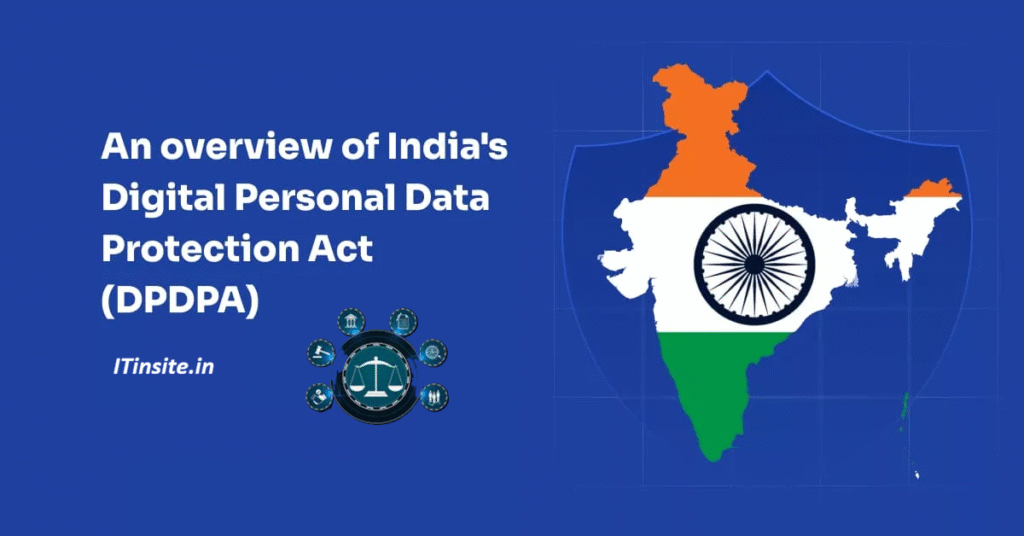

Introduction: Why the Latest DPDPA Updates Matter
Key Updates on the DPDPA Guide (Late 2025) – Essential Insights for Data Compliance
The landscape of data protection in India is evolving rapidly, and as of late 2025, the Digital Personal Data Protection Act (DPDPA_2023.pdf) has undergone significant updates that organizations cannot afford to ignore. For businesses, startups, and even individual professionals, staying compliant is no longer optional—it’s a strategic advantage.
Whether you are a Data Fiduciary, a tech entrepreneur, or part of a compliance team, understanding these updates can save you from hefty fines and enhance customer trust. This guide will break down the most critical updates, explain practical implications, and provide actionable strategies to help you stay ahead.
By the end of this article, you’ll have a clear roadmap to leverage tools like Consent Managers, understand the role of the Data Protection Board of India (DPBI), navigate Data Localization, and explore services such as DPO-as-a-Service.
Understanding the Role of Consent Managers in DPDPA 2025
One of the major highlights of the latest DPDPA updates is the increasing emphasis on Consent Managers. Consent management has moved beyond a checkbox on a website—it’s now a legal and operational necessity.
Why Consent Managers Matter:
A Consent Manager ensures that personal data collection and processing are fully compliant with the law. The updated DPDPA mandates explicit, informed consent for all data collection activities. This means organizations must clearly communicate what data is being collected, why it’s being collected, and how long it will be stored.
Practical Tip: Implement a dynamic Consent Manager tool that allows users to update or withdraw consent easily. For example, many SaaS platforms now integrate consent dashboards that track and log every user action, which is crucial for audits by the Data Protection Board of India (DPBI).
Example: A fintech startup using a Consent Manager can provide real-time notifications to users about data usage, creating transparency and enhancing trust.
The Enhanced Authority of the Data Protection Board of India (DPBI)
The Data Protection Board of India (DPBI) has gained significant powers in the 2025 updates. From enforcing penalties to providing guidance for compliance, the DPBI is central to the new DPDPA framework.
Key Responsibilities of DPBI:
- Approving consent management frameworks for businesses.
- Monitoring compliance for cross-border data transfers.
- Issuing directives for Data Fiduciaries to ensure transparency.
Practical Tip: Maintain a direct line of communication with the DPBI for regulatory clarifications. Many organizations now appoint a liaison officer who ensures that compliance queries are addressed promptly, reducing the risk of penalties.
Example: A mid-sized e-commerce platform worked closely with the DPBI to align its privacy policy with the updated DPDPA. This not only ensured compliance but also improved customer trust and engagement.
Learn more about DPBI guidelines at the official DPBI website .
Data Fiduciaries and the Imperative of Data Localization
Data Fiduciaries—entities that determine the purpose and means of personal data processing—face stricter obligations under the 2025 DPDPA updates. One of the key requirements is Data Localization, which mandates that sensitive personal data collected in India must be stored on servers located within the country.
Why Data Localization Matters:
- Enhances security and reduces risks of cross-border breaches.
- Simplifies audits by the DPBI.
- Ensures faster response to regulatory inquiries.
Practical Tip: Evaluate cloud providers and ensure they have Indian server infrastructure to comply with Data Localization requirements. For instance, platforms like AWS India, Azure India, and Google Cloud India now provide localized data storage options.
Example: A healthcare startup adjusted its data storage strategy to ensure that patient health records remained within Indian servers. This not only complied with regulations but also reassured patients about the safety of their sensitive data.
For more details on compliance strategies, check our Complete Guide to Data Compliance 2025.
Leveraging DPO-as-a-Service for Seamless Compliance
With increasing regulatory pressure, organizations are exploring DPO-as-a-Service to fulfill their obligations under the DPDPA. A Data Protection Officer (DPO) is responsible for monitoring compliance, handling data breaches, and liaising with authorities like the DPBI.
Advantages of DPO-as-a-Service:
- Cost-effective for small and medium-sized businesses.
- Provides expert guidance on the latest DPDPA updates.
- Ensures ongoing monitoring and proactive risk management.
Practical Tip: Outsource your DPO functions to specialized providers who can integrate with your IT and legal teams. This ensures that consent frameworks, breach notifications, and reporting protocols are managed efficiently.
Example: A SaaS platform hired a DPO-as-a-Service provider to manage all aspects of data privacy, including implementing Consent Managers and auditing internal processes. The result was full compliance with minimal overhead.
Explore DPO-as-a-Service providers on Data Privacy Global.
Actionable Steps for Businesses Under DPDPA 2025
To summarize, here are practical steps businesses can take to remain compliant and leverage the new updates:
- Implement Consent Managers: Ensure real-time, user-friendly consent tracking.
- Engage with DPBI: Seek guidance and maintain regulatory updates.
- Adopt Data Localization: Store sensitive data within Indian servers.
- Use DPO-as-a-Service: Ensure expert monitoring and compliance management.
- Regular Audits: Schedule quarterly audits to check alignment with DPDPA 2025.
- Employee Training: Educate staff on updated compliance norms to reduce human errors.
Example: A fintech company applied these steps and saw a 40% reduction in compliance gaps while enhancing customer trust and transparency.
Learn about Top Compliance Tools for Data Management to integrate these strategies effectively.
Future-Proofing Your Organization Against DPDPA Changes
The DPDPA is dynamic, and 2025 updates are just the beginning. Businesses must anticipate changes such as stricter Data Localization rules, enhanced DPBI oversight, and evolving responsibilities for Data Fiduciaries.
Practical Tip: Adopt a flexible compliance framework that allows for quick updates. For example, cloud-based consent management systems can adapt to new consent requirements without major infrastructure changes.
Example: A multinational company implemented a modular compliance system, allowing it to update policies, consent forms, and audit trails in real-time as new DPDPA provisions were introduced.
Read insights on global data privacy trends from IAPP
Conclusion: Staying Ahead with the 2025 DPDPA Updates
The DPDPA 2025 updates emphasize accountability, transparency, and security. By focusing on tools like Consent Managers, understanding the regulatory powers of the Data Protection Board of India (DPBI), complying with Data Localization, and leveraging DPO-as-a-Service, organizations can not only avoid penalties but also gain a competitive edge.
Compliance is not just about avoiding fines—it’s about building trust, ensuring data integrity, and future-proofing your organization in an increasingly digital world. Start implementing these strategies today to stay ahead in the evolving landscape of data protection in India.
Here’s a refreshed and modernized version of the DPDP Act background timeline, formatted for clarity and visual appeal:
📜 Background of the Digital Personal Data Protection Act (DPDPA), 2023
| Year | Milestone |
| 2017 | Government initiates steps to create a data protection framework. |
| 2018 | Draft of the Personal Data Protection Bill, 2018 released. |
| 2019–2021 | PDP Bill, 2019 approved by Cabinet and referred to Joint Parliamentary Committee. |
| 2022 | New draft: Digital Personal Data Protection Bill, 2022 introduced. |
| 2023 | Final version: Digital Personal Data Protection Act, 2023 enacted. |
Guide to the Digital Personal Data Protection Act, 2023 (DPDPA)


Pingback: Introduction to the Digital Personal Data Protection Act (DPDPA), India