
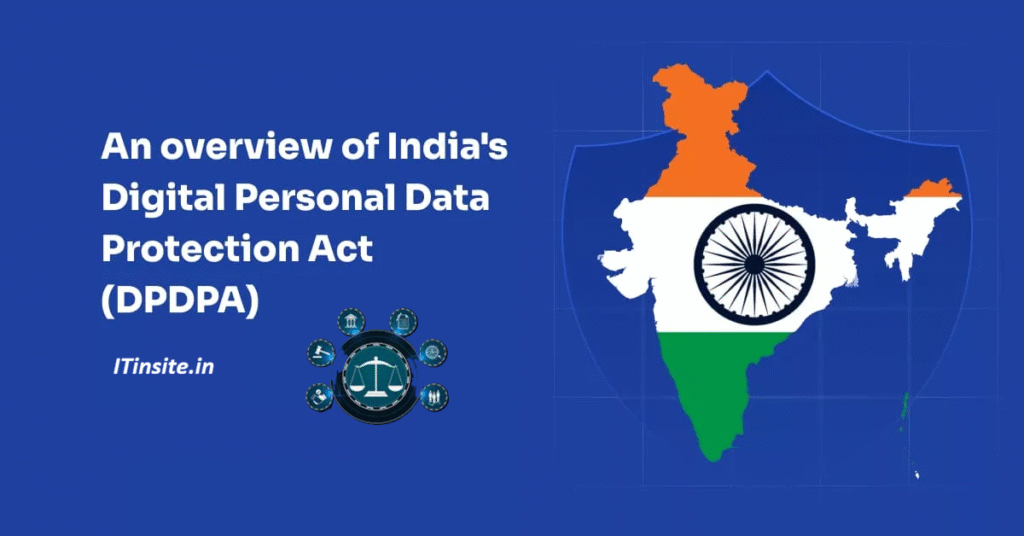

Introduction about Digital Personal Data Protection Act (DPDPA)
The Digital Personal Data Protection Act (DPDPA) represents a landmark step in India’s journey toward strengthening data privacy and security for individuals. With the rapid growth of digital services, e-commerce, fintech, and social platforms, personal data has become one of the most valuable assets. At the same time, improper handling of such data poses serious risks, including identity theft, financial fraud, and misuse of sensitive personal information. Recognizing this, the Indian government enacted the DPDPA in 2023 and has since introduced important updates in 2025 to ensure robust protections and clear obligations for businesses.
At its core, the DPDPA establishes a legal framework to govern the collection, processing, storage, and transfer of personal data. The law applies to any entity—known as a Data Fiduciary—that determines the purpose and means of processing personal data. This includes companies, startups, government organizations, and service providers operating in India or handling data of Indian citizens. By clearly defining responsibilities and rights, the DPDPA aims to enhance transparency, accountability, and trust between data handlers and individuals.
One of the most significant aspects of the DPDPA is its focus on informed consent. Under the law, organizations must obtain explicit permission from users before collecting or processing personal data. This ensures that individuals are fully aware of what data is being collected, why it is needed, how it will be used, and for how long it will be stored. To facilitate this, tools like Consent Managers have become essential, allowing businesses to manage, track, and log consent dynamically, thereby improving compliance and user trust.
The Act also strengthens regulatory oversight through the Data Protection Board of India (DPBI), which has the authority to monitor compliance, issue guidelines, and enforce penalties for violations. The 2025 updates have expanded the DPBI’s powers, making it a central authority in guiding organizations on legal adherence, resolving complaints, and auditing data handling practices.
Another key feature of the DPDPA is Data Localization, which requires that sensitive personal data collected in India must be stored on servers located within the country. This provision not only enhances security and reduces risks associated with cross-border data breaches but also ensures faster regulatory responses and easier audit processes. Organizations are advised to evaluate cloud service providers and ensure infrastructure aligns with these requirements.
To support compliance, the concept of DPO-as-a-Service has emerged. A Data Protection Officer (DPO) is responsible for overseeing data handling practices, managing breaches, and liaising with authorities like the DPBI. Outsourcing DPO functions enables businesses, especially small and medium enterprises, to meet legal obligations efficiently while staying updated with evolving regulations.
In essence, the DPDPA is not just a legal mandate; it is a framework that encourages ethical data practices, customer trust, and accountability. By aligning with its provisions, organizations can protect sensitive information, reduce risks of regulatory penalties, and build a stronger reputation in India’s digital economy. As the DPDPA evolves, understanding its requirements and implementing robust compliance measures will remain critical for every business handling personal data.
TABLE OF CONTENTS
Chapter I – Preliminary
- Short title and commencement
- Definitions
- Application of Act
Chapter II – Obligations of Data Fiduciary
- Grounds for processing personal data
- Notice
- Consent
- Certain legitimate uses
- General obligations of Data Fiduciary
- Processing of personal data of children
- Additional obligations of Significant Data Fiduciary
Chapter III – Rights and Duties of Data Principal
- Right to access information about personal data
- Right to correction and erasure of personal data
- Right of grievance redressal
- Right to nominate
- Duties of Data Principal
Chapter IV – Special Provisions
- Processing of personal data outside India
- Exemptions
Chapter V – Data Protection Board of India
- Establishment of Board
- Composition and qualifications for appointment of Chairperson and Members
- Salary, allowances and term of office
- Disqualifications for appointment and continuation
- Resignation by Members and filling of vacancy
- Proceedings of Board
- Officers and employees of Board
- Members and officers to be public servants
- Powers of Chairperson
Chapter VI – Powers, Functions and Procedure of Board
- Powers and functions of Board
- Procedure to be followed by Board
Chapter VII – Appeal and Alternate Dispute Resolution
- Appeal to Appellate Tribunal
- Orders passed by Appellate Tribunal to be executable as decree
- Alternate dispute resolution
- Voluntary undertaking
Chapter VIII – Penalties and Adjudication
- Penalties
- Crediting of penalties to Consolidated Fund of India
Chapter IX – Miscellaneous
- Protection of action taken in good faith
- Power to call for information
- Power of Central Government to issue directions
- Consistency with other laws
- Bar of jurisdiction
- Power to make rules
- Laying of rules and notifications before Parliament
Key Updates on the DPDPA Guide (Late 2025) – Essential Insights for Data Compliance

Pingback: DPDPA Act Chapter I – Preliminary: An Essential Guide to India’s Data Protection Future
Pingback: Chapter III – Rights and Duties of Data Principal: Your Ultimate Guide to Personal Data Protection
Pingback: Chapter IV – Special Provisions : Everything You Need to Know
Pingback: Chapter V – Data Protection Board of India: The Ultimate Guide to a Stronger Data Protection Future
Pingback: Chapter VI – Powers Functions and Procedure of Board