
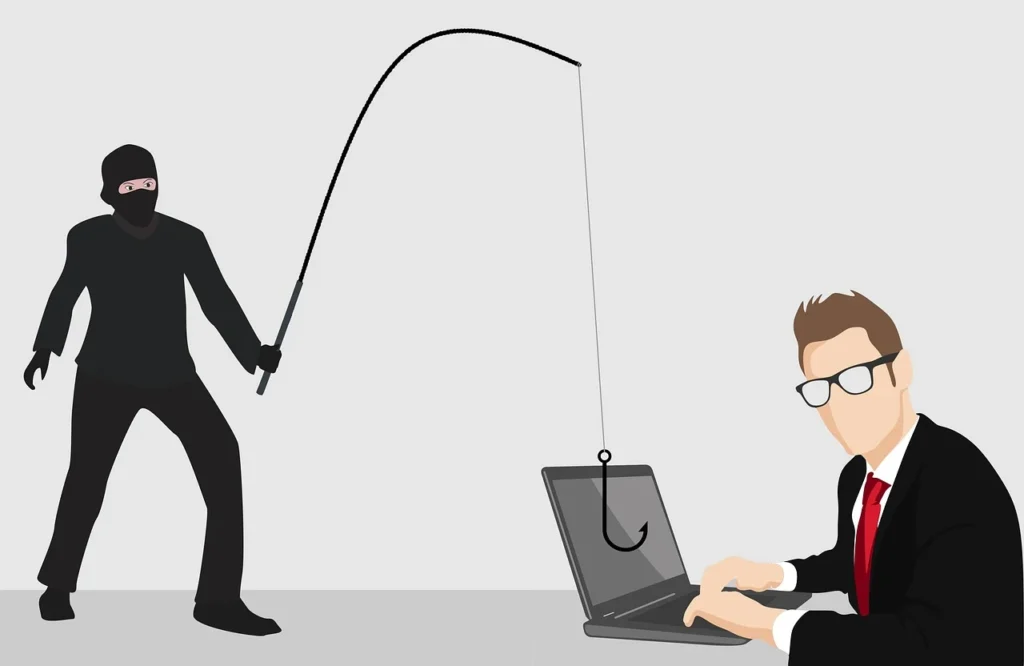

In 2025, with AI-driven defenses and next-gen firewalls at our disposal, you’d think companies would have cybersecurity all figured out. Yet, the global cost of cybercrime is expected to surpass trillion of dollar this year. The truth? Most breaches still happen because of avoidable human and strategic mistakes.
Let’s dive into the top 10 cybersecurity mistakes that continue to haunt organizations — and how to avoid them.
1. Ignoring the Basics: Weak Password Hygiene
Real-world example: In early 2025, a major Indian fintech startup suffered a breach traced to an admin password: Welcome@123.
Expert tip: Enforce password managers and MFA (multi-factor authentication) for every privileged account.
2. Overlooking Shadow IT
Employees still use unapproved tools — from personal Gmail to ChatGPT accounts — to get work done.
Example: A pharma firm leaked sensitive R&D data through an unsanctioned collaboration app.
Tip: Deploy discovery tools that monitor for rogue SaaS use and integrate with CASB (Cloud Access Security Broker) policies.
3. Not Updating Legacy Systems
Old systems remain easy targets.
Example: In 2025, several government departments worldwide were compromised via unpatched Windows Server 2012 instances.
Tip: Maintain a real-time asset inventory and prioritize patching based on CVSS scores.
4. Believing “We’re Too Small to Be Targeted”
SMBs are prime ransomware bait because they often lack dedicated SOC teams.
Tip: Adopt a managed detection and response (MDR) model if in-house resources are limited.
5. Misconfiguring Cloud Environments
Example: A misconfigured S3 bucket exposed 4TB of customer PII data for a retail brand in April 2025.
Tip: Use automated configuration audits and tools like AWS GuardDuty or Azure Security Center.
6. Lack of Incident Response Planning
Companies still scramble after the breach.
Tip: Conduct quarterly tabletop exercises and pre-define communication channels for crisis response.
7. Neglecting Employee Awareness Training
Phishing remains the #1 attack vector.
Example: Over 60% of 2025 ransomware infections began with a single employee click.
Tip: Run gamified security drills and reward users who report phishing attempts.
8. Poor Vendor Risk Management
Supply chain attacks are exploding — remember SolarWinds?
Tip: Continuously assess third-party vendors using tools that scan for exposed credentials and risky behavior.
9. Underestimating AI-Powered Attacks
Deepfake audio scams and synthetic phishing emails now mimic CEOs perfectly.
Example: A deepfake video caused a $25M wire transfer fraud in Q1 2025.
Tip: Use AI anomaly detection tools and verify high-value communications through secondary channels.
10. Treating Cybersecurity as a “Tech Problem”
Cybersecurity is a business risk, not just an IT checklist.
Tip: Integrate cybersecurity KPIs into boardroom discussions and corporate strategy.
Final Thoughts : 2025’s cybersecurity landscape rewards the proactive. The organizations that thrive aren’t necessarily the ones with the biggest budgets — they’re the ones with the best cyber culture.
As itinsite.in always says, “In cybersecurity, ignorance isn’t bliss — it’s breach bait.”
Top Cybersecurity Frameworks Every Auditor Should Know in 2025


