
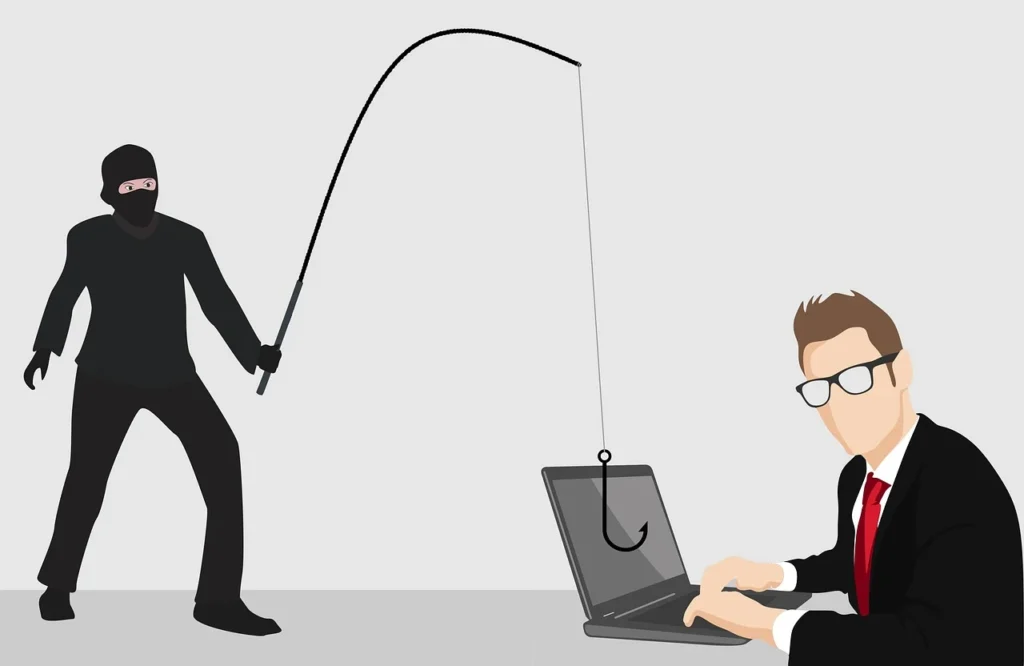

In 2025, India is experiencing its fastest-ever digital transformation—cloud adoption is skyrocketing, AI is embedded in daily workflows, and remote operations are now the norm. But as the digital landscape expands, so do the cyber threats currently affecting Indian businesses in 2025.
Whether you run a startup, a mid-sized organization, or a large enterprise, cyber risk is no longer an IT issue—it’s a business survival issue. A single breach can shut down operations, drain finances, and damage reputation overnight.
This blog breaks down the top 5 cyber threats currently affecting Indian businesses in 2025, explains what makes them dangerous, and gives practical tips to help you stay protected.
Cyber Attacks & Data Breaches: India’s Fastest-Growing Business Risk
From phishing emails to sophisticated server intrusions, cyber attacks and data breaches remain the number-one threat. Indian companies are especially vulnerable because many still lack strong network monitoring, employee awareness training, and updated security infrastructure.
Why this is a major threat in 2025
- Attackers now use AI to craft ultra-realistic phishing messages.
- Cloud misconfigurations are exposing massive amounts of data.
- Startups and SMEs often skip security due to budget constraints.
- Industries like fintech, healthcare, and e-commerce store sensitive personal data—prime targets for hackers.
Real-world example
A Bangalore-based e-commerce firm recently faced a massive breach where user data—including phone numbers and saved addresses—was leaked online. The root cause? An incorrectly secured cloud storage bucket.
How to protect your business
- Enable multi-factor authentication for all accounts.
- Audit cloud storage permissions every quarter.
- Train employees through simulated phishing campaigns.
- Use endpoint protection tools to detect unusual activity early.
Data Privacy Non-Compliance: Regulations Are Tightening
India’s Digital Personal Data Protection (DPDP) Act has made data privacy compliance non-negotiable in 2025. Businesses that fail to handle personal data responsibly now face strict penalties, brand damage, and lost customer trust.
Why it’s a growing threat
- Many businesses are still unsure how to implement DPDP Act requirements.
- Mismanaged consent collection and data storage can lead to violations.
- Customers are increasingly aware of their digital rights.
A simple example
A retail app that collects customer email IDs for discounts but fails to store proof of consent can face penalties under the DPDP Act. Even accidental misuse of data—for example, sharing it with a partner company without clear consent—can lead to compliance issues.
How to stay compliant
- Maintain transparent consent forms with clear “opt-in” options.
- Conduct annual data audits to remove unnecessary stored data.
- Ensure third-party vendors also follow privacy standards.
- Appoint a Data Protection Officer (DPO) if your business handles large volumes of personal data.
AI-Driven Identity Threats: Deepfakes and Credential Manipulation
One of the newest cyber threats currently affecting Indian businesses in 2025 is the rise of AI-driven identity attacks. Hackers now use advanced AI tools to clone voices, mimic faces, and generate deepfake videos that look shockingly real.
Why this threat is exploding
- AI-powered tools have become cheap and easy to access.
- Remote work environments rely heavily on digital communication.
- Employees may trust voice notes or video calls that look authentic.
Real scenario
A finance executive in Mumbai received a voice call that perfectly matched his CEO’s voice, instructing him to authorize an urgent payment. The call was a deepfake, and the attacker used publicly available speeches to clone the voice. Fortunately, the employee verified via text message before releasing the funds.
Ways to protect your business
- Implement verification protocols for financial transactions—never rely solely on voice or video.
- Train teams to identify signs of AI-generated content.
- Use identity verification tools that detect deepfakes.
- Restrict public posting of executive speeches, videos, and voice samples.
Ransomware Attacks: The Costliest Cybercrime in India
Ransomware attacks continue to hit Indian businesses hard in 2025. Cybercriminals lock your systems, encrypt critical data, and demand payment to release it. India’s booming digital sector has turned it into a prime target for ransomware groups globally.
Why ransomware remains a top threat
- Attackers often infiltrate through outdated software or unsecured devices.
- Even after payment, there is no guarantee data will be restored.
- Recovery costs often exceed the ransom itself—downtime is expensive.
Example
An IT services firm in Pune had its internal servers encrypted after an employee unknowingly downloaded a malicious attachment. Operations halted for three days, causing significant financial loss—far more than the ransom demanded.
Protective measures
- Maintain daily cloud backups of critical data.
- Keep all systems and software updated with security patches.
- Implement zero-trust access controls to minimize exposure.
- Conduct regular incident response drills so teams know what to do.
Supply Chain Vulnerabilities: Weak Links Outside Your Company
Supply chain attacks occur when hackers infiltrate your business by targeting your vendors, partners, or external software providers. As Indian companies adopt more third-party apps and cloud tools, these vulnerabilities are becoming harder to detect.
Why this threat is rising
- Businesses increasingly depend on SaaS tools, creating multiple external entry points.
- Many vendors—especially smaller ones—do not follow strong security practices.
- Compromised software updates can spread malware to thousands of users.
Illustrative example
A logistics company in India suffered a data leak because its third-party billing vendor stored API keys in plain text. Attackers exploited this weakness to access shipment data and customer details.
How to safeguard your supply chain
- Audit all third-party vendors’ security policies.
- Use contractual agreements that outline cybersecurity responsibilities.
- Implement least-privilege access for vendor accounts.
- Monitor network activity for suspicious external connections.
Practical Summary: What Should Indian Businesses Do Right Now?
Here’s a quick checklist to build immediate resilience:
✔ Strengthen your first line of defense
- Enforce MFA, strong passwords, and encryption everywhere.
✔ Train your employees regularly
Most breaches begin with human error, not technology.
✔ Build a solid data privacy framework
This helps avoid legal trouble and inspires customer confidence.
✔ Invest in AI-driven security tools
Use the power of AI to fight AI-based threats.
✔ Prepare an incident response plan
Know exactly what steps to take during a breach.
By focusing on these action points, Indian organizations can drastically reduce exposure to the cyber threats currently affecting Indian businesses in 2025.
Conclusion: Don’t Wait for a Cyber Attack to Take Action
The top 5 cyber threats currently affecting Indian businesses in 2025—from AI-driven identity scams to ransomware and supply chain weaknesses—are evolving faster than ever. But the good news is that with awareness, preparation, and the right security strategy, every business can stay one step ahead.
Cybersecurity is no longer optional—it’s your strongest competitive advantage.
Start strengthening your defenses today. Audit your systems, train your team, and make cybersecurity a core part of your business growth strategy.
If you’d like help building a custom cybersecurity plan, feel free to ask—I’m here to help!


