
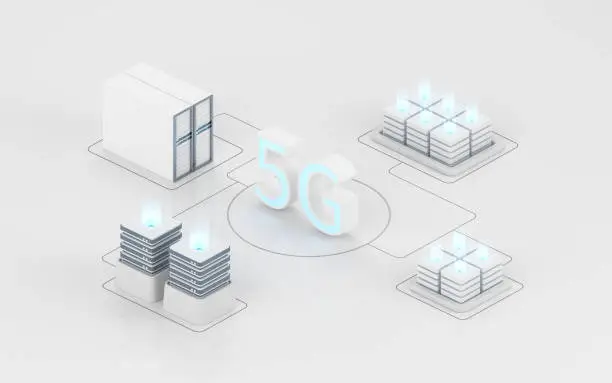

How 5G-Enabled Smart Infrastructure Is Transforming Cities and Industries
The arrival of 5G-enabled smart infrastructure is revolutionizing the way cities, industries, and public services operate. By delivering ultra-fast, low-latency connectivity, 5G connects devices and systems like never before — enabling real-time insights, automation, and responsiveness at scale.
Below, we explore what 5G-enabled smart infrastructure is, its key features, and real-world applications that are reshaping our urban and industrial landscapes.
🏙️ What Is 5G-Enabled Smart Infrastructure?
Smart infrastructure refers to physical assets — such as roads, buildings, and utility systems — that are embedded with sensors, connected devices, and digital technologies. These systems continuously collect, share, and respond to data, enabling more efficient and intelligent operations.
When combined with 5G, this infrastructure becomes even more powerful. The ultra-reliable, high-speed connectivity allows for real-time data exchange at a scale and speed previously unattainable — turning traditional systems into dynamic, adaptive networks.
⚙️ Key Features of 5G in Smart Infrastructure
- Ultra-Low Latency
Enables real-time control of critical systems such as traffic signals, autonomous vehicles, and emergency services. - High Bandwidth
Supports thousands of connected devices per square kilometer, making it ideal for dense urban environments and complex industrial zones. - Edge Computing Integration
Processes data closer to its source, reducing latency and increasing responsiveness for time-sensitive applications. - Energy Efficiency
Facilitates smart grids and intelligent buildings that optimize energy usage based on real-time consumption patterns and predictive analytics.
🏗️ Real-World Applications of 5G Smart Infrastructure
| Sector | Use Case Examples |
| Transportation | Smart traffic systems, autonomous public transit, adaptive signaling |
| Utilities | Smart grids, water leak detection, predictive infrastructure maintenance |
| Healthcare | Remote diagnostics, connected ambulances, real-time patient monitoring |
| Public Safety | Live surveillance, emergency coordination, disaster response systems |
| Manufacturing | Smart factories, robotic automation, digital twins, supply chain optimization |
Why It Matters
The integration of 5G into smart infrastructure is more than just a technological upgrade — it’s a foundation for next-generation cities and industries. With real-time visibility, enhanced automation, and increased resilience, organizations and governments can improve efficiency, reduce costs, and provide better services to citizens and customers.
Your Ultimate Hub for Technology Guides, Tutorials, and Insight